
Entrepreneurship
Entrepreneurship is a mindset every young person can learn: noticing problems, testing ideas and managing…
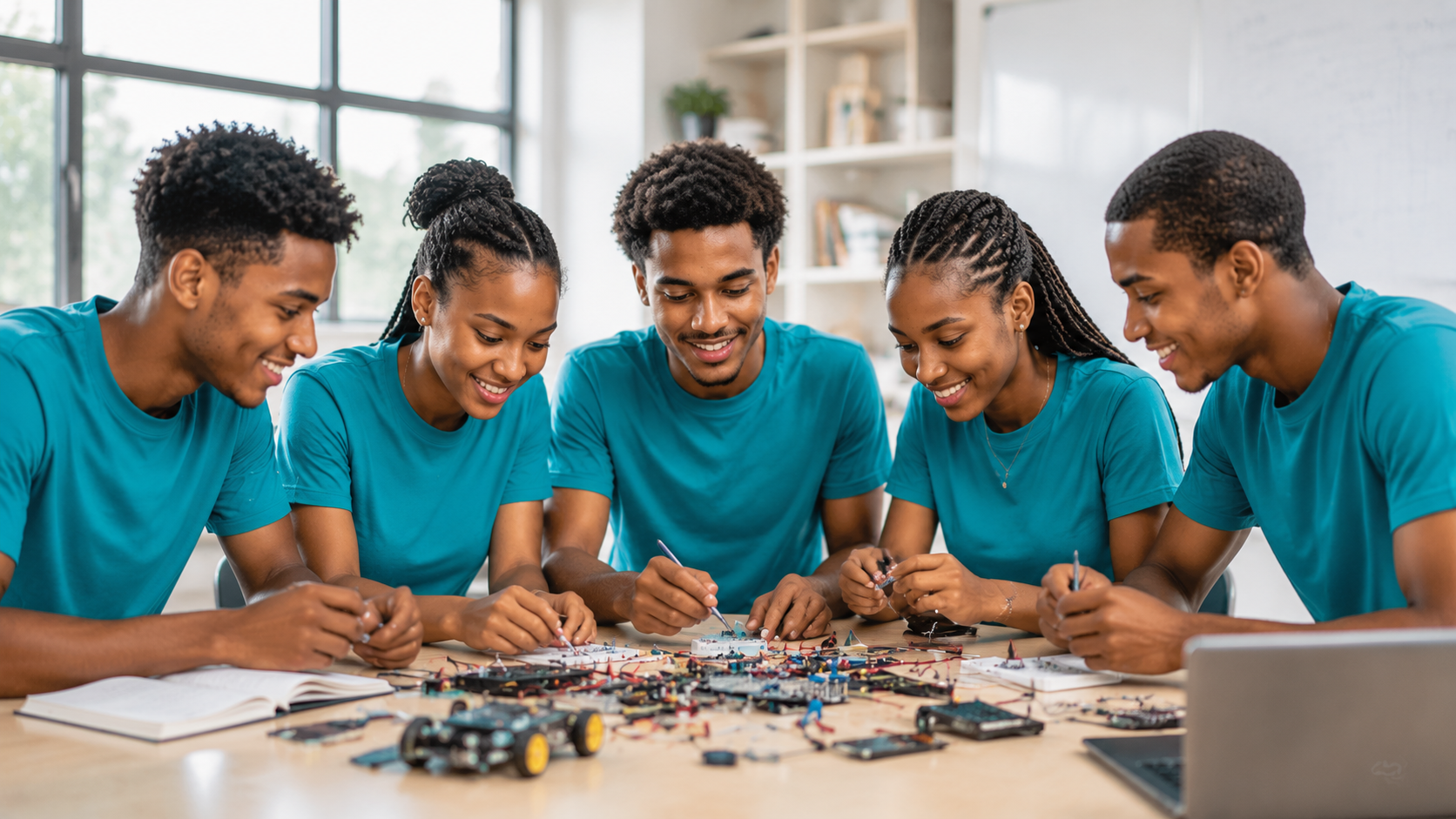
Ask employers, universities or community leaders what they want from young people, and you will hear the same words again and again: think clearly, communicate well, work with others, solve problems, keep going. These are life skills, and they can be taught.
UNICEF’s Life Skills and Citizenship Education framework groups these skills into four dimensions: learning to know, learning to do, learning to be and learning to live together. Tanzania’s 2014 Education and Training Policy (2023 edition) puts a similar emphasis on communication, collaboration, creativity and critical thinking. Here are seven skills we believe every secondary learner deserves to build, with simple ways to practise each one.
Critical thinkers ask good questions, check evidence and reach their own conclusions. In the World Economic Forum’s Future of Jobs Report 2025, analytical thinking was the skill employers rated most essential.
Try it: when learners read a news story or social media post, ask: Who wrote this? What is the evidence? What might be missing?
Being able to explain an idea clearly, in speech and in writing, in English and Kiswahili, is a superpower in every career.
Try it: short presentations, debates and “explain it to a younger student” exercises build confidence quickly.
Most real work happens in teams. Collaboration means sharing roles, listening to different views and resolving disagreements respectfully.
Try it: group projects with clear roles that rotate, so every learner leads at some point.
Creativity is not only for artists. It is the ability to imagine new solutions, combine ideas and try something different. The WEF lists creative thinking among the skills growing fastest in importance.
Try it: give learners open problems with more than one right answer, such as redesigning the school timetable or reducing waste in the canteen.
Good problem solvers break a challenge into parts, test ideas and learn from what does not work.
Try it: community challenges. Learners identify a real problem near their school, propose a solution and test a small version of it.
Exams, family responsibilities and big decisions bring pressure. Resilient learners manage stress, bounce back from setbacks and keep working towards their goals. The WEF ranks resilience, flexibility and agility second among core skills employers value.
Try it: help learners set small weekly goals, reflect on what helped them succeed and plan what to do when things go wrong.
Empathy, understanding how others feel and see the world, is the foundation of good relationships, good leadership and a fair society.
Try it: role-play, community service and discussions about different perspectives.
None of these skills appears overnight, and none is learned from a textbook alone. They grow through regular practice, feedback and reflection, at school and at home. Research also shows they support academic success: a review of 213 school social and emotional learning programmes found an 11 percentile point gain in achievement for participating students (Durlak et al., 2011).
Pathfinder’s Future-Ready Skills & Leadership and Emotional Intelligence & Wellbeing programmes help schools build these skills into everyday school life.

Entrepreneurship is a mindset every young person can learn: noticing problems, testing ideas and managing…
School leadership is second only to classroom teaching in its influence on learning. Here are…
Generative AI is arriving in schools fast. This practical guide helps teachers use it wisely,…

The choices learners make after Form Four shape their future. Here is a practical guide…
From critical thinking to resilience, these seven skills help young people succeed in school, work…
Exam results matter, but they cannot show everything a young person needs to thrive. Here…